For many care workers the background check is still run once, and a statewide check usually runs on a name, date of birth and other personal details, not fingerprints. Federal law sets no periodic recheck for nursing home aides; child care staff must be rechecked at least every five years. Identity has become the weak point, and a clean check on a borrowed or invented identity protects nobody.
For senior and disability care providers
Your caregivers work alone with people who cannot always speak for themselves. Complied ID, now in development, will confirm who each caregiver is, screen them, and rescreen them every year once it launches.
Listen to this page 2 min
Loading the Elevenlabs Text to Speech AudioNative Player...
Identity proved before any check
Rescreened every year, at launch
Walk me through it · about three minutes
What can’t a name-based check tell you?
A name-based check asks whether this name has a record. Nearly one in five nurse aides with a substantiated abuse, neglect or misappropriation finding in 2010 had a prior conviction.
What did the 1993 Act change, and what has not changed since?
The National Child Protection Act of 1993 let states run national fingerprint checks on child care providers; the provision, now 34 U.S.C. 40102, also covers care of older adults and people with disabilities. It permits checks; it does not require them. More than thirty years later, a check often runs only once, when someone is hired.
Why is identity now the weak point?
Documents can be faked well enough to fool government offices. GAO investigators using counterfeit or fraudulently obtained documents were issued genuine passports on 9 of 11 applications (2008 and 2010). In a separate 2012 review they obtained driver’s licenses with counterfeit documents in all three states they tried, states chosen for known weaknesses. These were small tests, not a fraud rate. A check run on a borrowed or invented identity clears the wrong person.
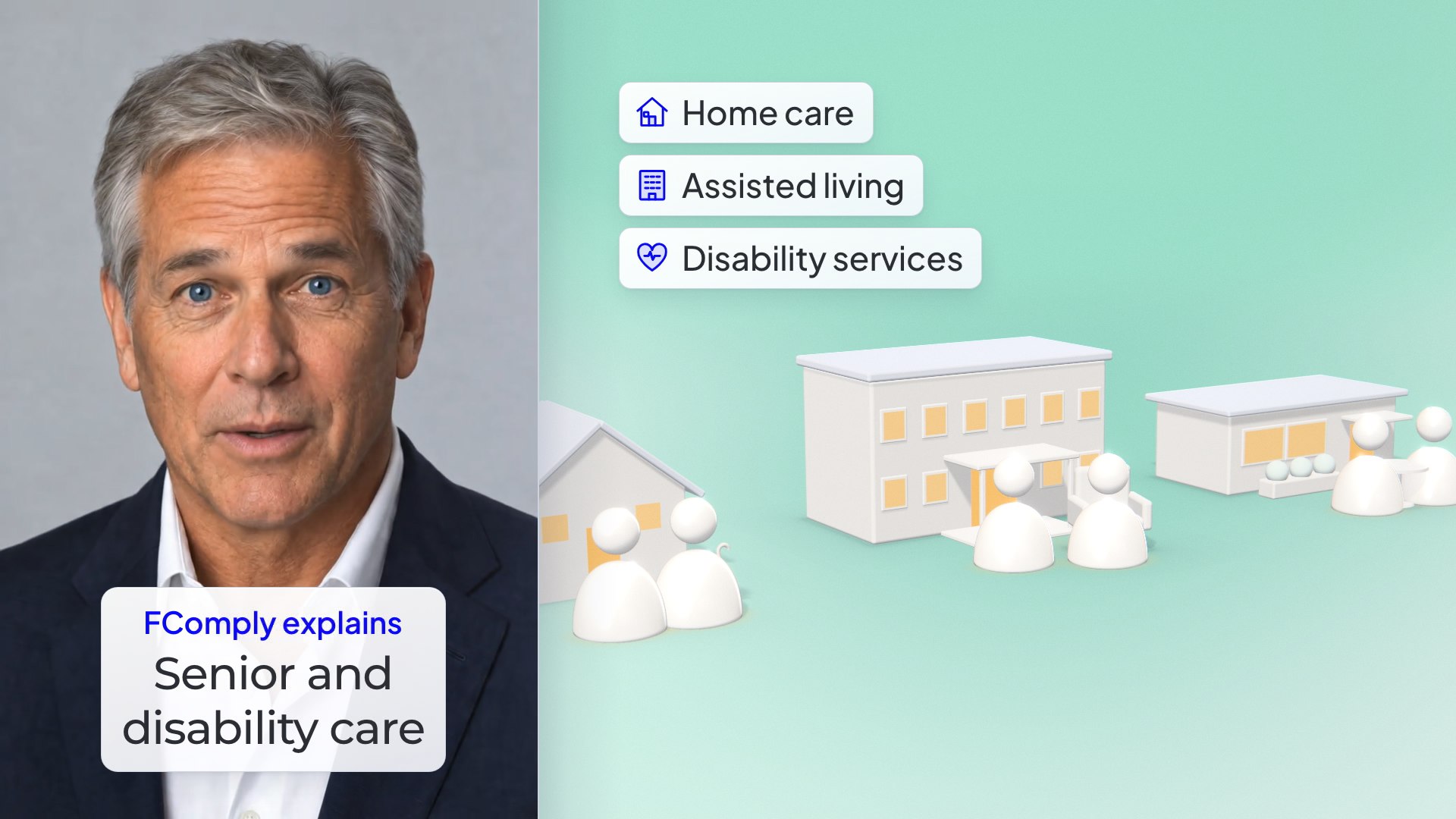
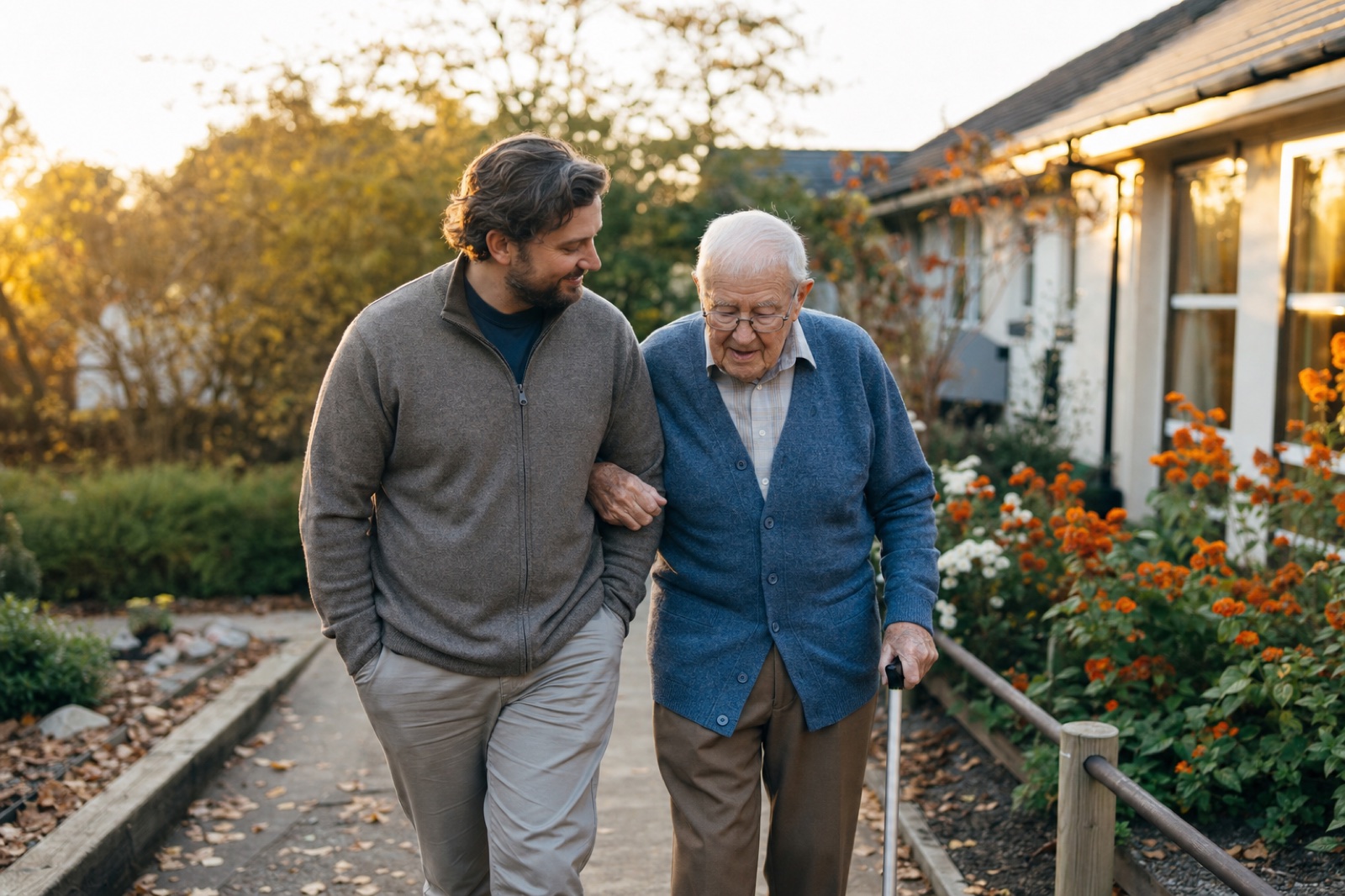
In senior care, assisted living, home health and disability services, caregivers often work unsupervised, in the client’s home, with people who may not be able to report what happens to them. Why one-time background checks fail sets out the evidence.

People who cannot always report what happens to them
Often alone with the client
What do the records show in care settings?
Nearly one in five nurse aides with a substantiated abuse, neglect or misappropriation finding in 2010 (300 of 1,611) had a criminal conviction on record before the finding, the Inspector General found.
What did the Inspector General find in nursing facilities?
In a 2011 report, the HHS Office of Inspector General ran FBI checks on about 35,000 employees at 256 of 260 sampled Medicare-certified nursing facilities. The records could not show whether a conviction was disqualifying, and property crimes were the most common; the finding is about visibility, not danger. A second report (2012) found that nearly one in five nurse aides with a substantiated abuse, neglect or misappropriation finding in 2010 had a conviction on record before the finding.
92
of nursing facilities employed at least one person with a conviction (2011)
19
of nurse aides with a substantiated abuse, neglect or misappropriation finding (2010) had a prior conviction
Sources: HHS OIG, 2011; HHS OIG, 2012.
The reports are OEI-07-09-00110 (March 2011) and OEI-07-10-00422 (October 2012). The records could not show whether a conviction was disqualifying; property crimes were the most common. A New York State study (2011) estimated elder abuse to be nearly 24 times more common than the cases referred to authorities. For comparison with the screening times below, the FBI’s electronic civil fingerprint check averaged about 20 minutes in August 2026, and state child abuse registries often take days (Iowa reports 5 to 10 business days). The wider record, statute by statute, is in The broken patchwork.
Alone with people who cannot always speak for themselves
The risk is in the years after the hire
As Complied ID is designed: four steps before the first shift, three every year after; the one-time check many care employers still run today is the first step only, done once.
Before the first shift
- The caregiver applieson their own phone; at launch, FComply expects the screening process to take about 10 to 15 minutes on average, and longer if a record needs adjudication
- Identity provedgovernment ID validated, live face matched, device checked; Social Security number or ITIN checked
- Record checkedfederal and state, through authorized channels, against the proven identity
- Credential issuedone verified identity the next agency can re-authenticate in a click
Every year after
- Rescreenedevery year on the anniversary, with the caregiver’s consent, without collecting the documents again
- Alertthe same day a rescreen finds a disqualifying record
- The agency decideswith the record in front of it, and a timestamped trail of what it did
How Complied ID is designed to fit a home-care, assisted-living or disability-services hire; it is in development and will work once it launches. The one-time check many care employers still run today is the first step only, done once.
What Complied ID will do
Complied ID, now in development, will prove the identity first. The government-issued ID will be checked for signs of forgery or editing and matched to a live face, with a liveness check designed to catch photos, masks and replayed video. Then the device, the location and the Social Security number or ITIN will be checked. Only then, once Complied ID launches, will the background checks run on the proven identity, through the channel each state authorizes.
At launch, a rescreen every year, with an alert the same day it finds a disqualifying record, replaces the point-of-hire snapshot with a current picture, for as long as the caregiver works with your clients.
At launch, a caregiver who works for two agencies will be verified once and re-authenticated in one click by the next one, and their identity credentials will be shared through the cloud dashboard instead of being collected again. Background check results will not carry over automatically; each organization decides which checks it accepts. As designed, organizations will receive the result, not the caregiver’s documents, and the caregiver decides who sees it.
Verified once on her own phone, at launch
The employer will see the result, not the documents
1
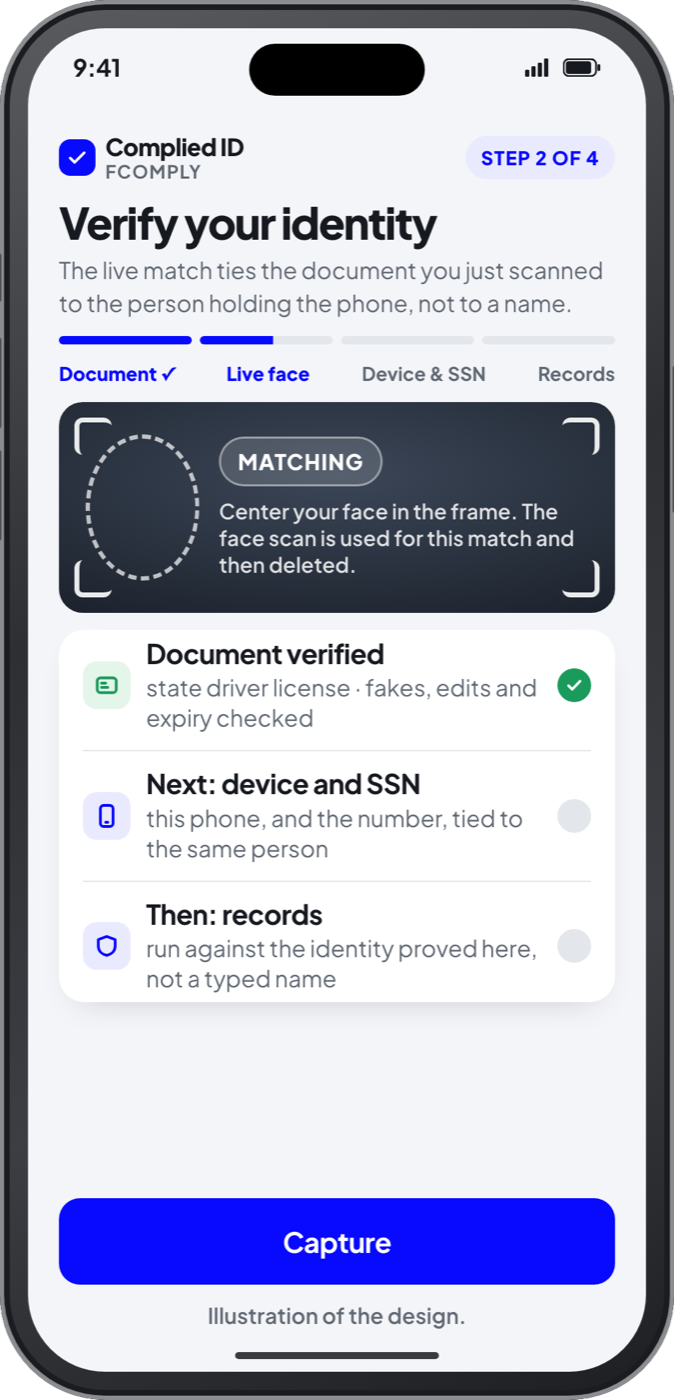
Four steps, once: the document, the live face, the device with the Social Security number or ITIN check, then the record check. At launch, FComply expects the screening process to take about 10 to 15 minutes on average, and longer if a record needs adjudication.
2
The live face match and liveness check are designed to catch fake IDs and spoofing (not yet independently tested).
3
The document is validated first. Only after the match will the record check run, against a proven identity.
Complied ID, step 2 of 4: the live face match that ties the document to the person holding the phone. Illustration of a planned screen.
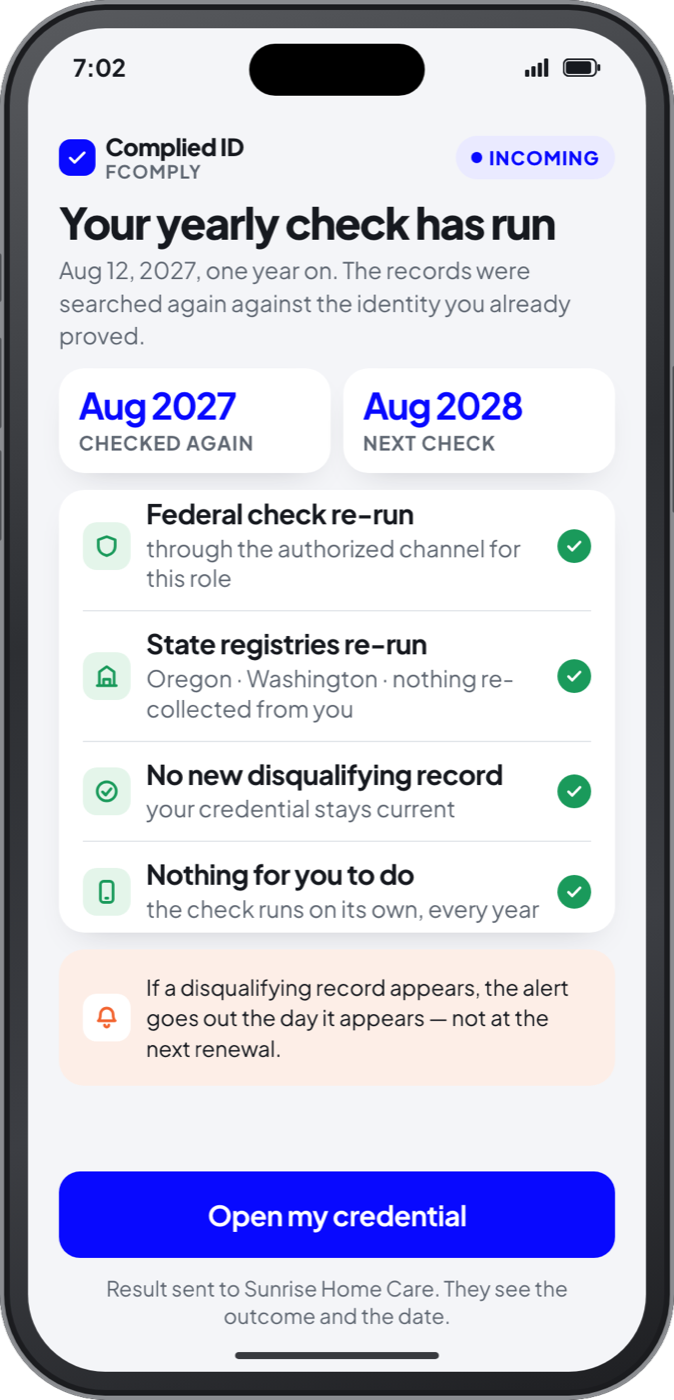
Complied ID as designed, one year on: the yearly rescreen runs against the identity already proved, and the next check is dated. Illustration of a planned screen.
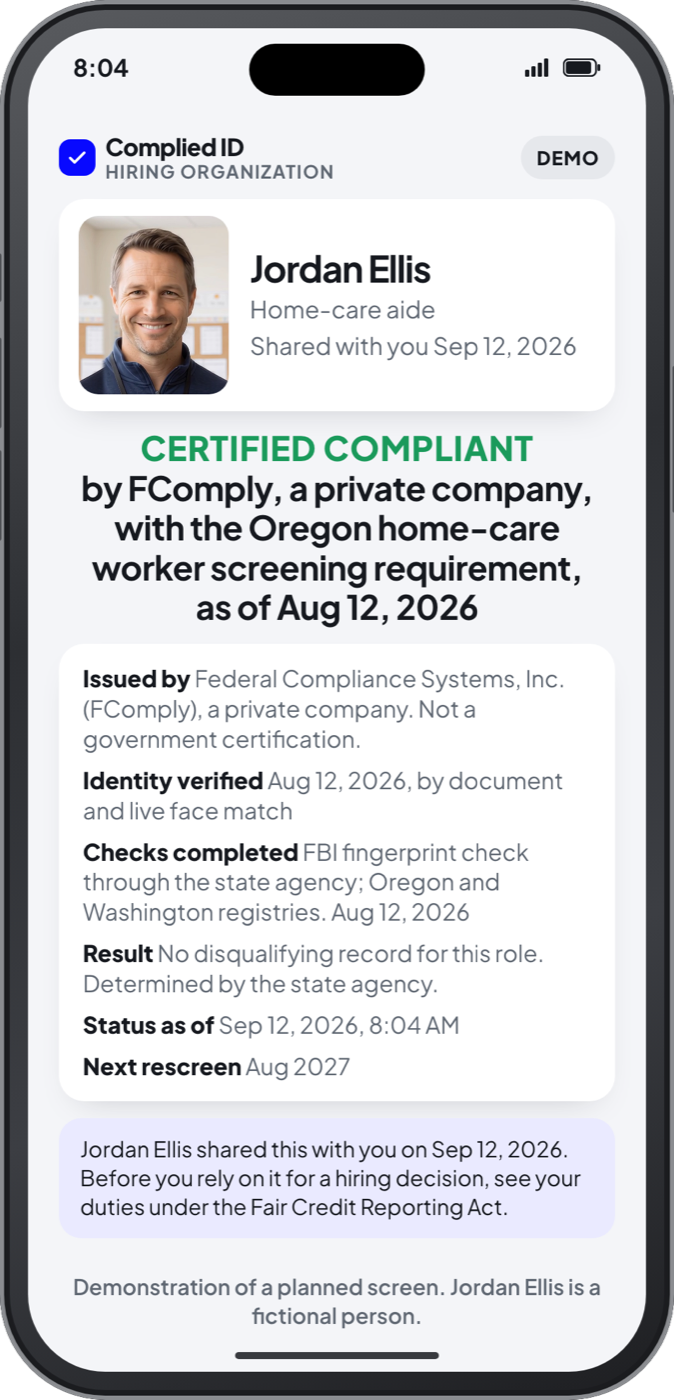
Complied ID as designed, the receiving organization’s view: an employer who receives a person’s FComply will see SCREENING COMPLETED, then CERTIFIED COMPLIANT with their photo and name, confirmed in one scan with nothing re-collected. Illustration of a planned screen.
Verified once, confirmed by the next agency in one scan
Same-day alert when a rescreen finds a record
Home care, residential care, disability services and hospices; licensing and registry bodies set the standard the rest have to meet.
- Home care and home health agencies placing caregivers in private homes.
- Assisted living, memory care and skilled nursing operators.
- Providers of services to adults with intellectual and developmental disabilities.
- Hospices, whose volunteers with direct patient contact or access to patient records need criminal background checks under federal Medicare hospice rules.
- State licensing and registry bodies that set the standard others must meet.
Will prove the person first, at launch
Will rescreen every year, not once
Read next: the glossary for the terms used in screening and compliance, or how the same approach works in foster care.
The documents behind the figures on this page are listed in Supporting material.
Frequently asked questions
We already run background checks. Why add identity verification?
A name-based check answers one question: does this name have a record? It can’t tell you whether the person in front of you is the person the name belongs to, and a check by name alone can miss a record when someone gives a false identity. Complied ID will check the government-issued ID for signs of forgery or editing and match it to a live face before the check runs, so the check is about the right person. It is in development and will work once it launches.
How often will caregivers be rescreened?
Once Complied ID launches, every year, with the caregiver’s written consent, through the channel each state authorizes. A rescreen that finds a disqualifying record will raise an alert the same day. A check at the point of hire is a snapshot; the risk is in the years that follow.
Does this fit with state registry and licensing checks we are required to run?
At launch, the federal and state checks will run through the channel each state authorizes, with fingerprints at the site the state names where it requires them. Complied ID is designed to sit alongside your state’s registry and licensing requirements, not replace them. Results will reach your organization through a cloud dashboard, and the caregiver’s verified identity will be shareable with the other organizations they work for; each of them decides which checks it accepts. See how it works in your state.
Where is the caregiver’s personal data held?
Complied ID is in development. It is designed to store as little as possible and to delete the face scan right after the match. Before launch, FComply will publish how long each item is kept and how to delete it.
Protect the vulnerable and build trust at scale.
© 2026 Federal Compliance Systems, Inc. All rights reserved.